A healthy smile does more than support oral function; it plays a major role in confidence, first impressions, and everyday comfort. When a damaged or weakened tooth needs restoration, most patients want a solution that not only protects the tooth but also looks completely natural. In modern cosmetic and restorative dentistry, achieving both strength and aesthetics has become far easier than it was years ago. That is one reason many patients exploring porcelain crowns in Highland are drawn to restorative treatments designed to blend seamlessly with their natural teeth while preserving long-term function.
Among today’s restorative options, porcelain crowns continue to stand out as one of the most trusted choices for patients who want highly aesthetic dental results.
What Makes Porcelain Crowns Different From Other Restorations?
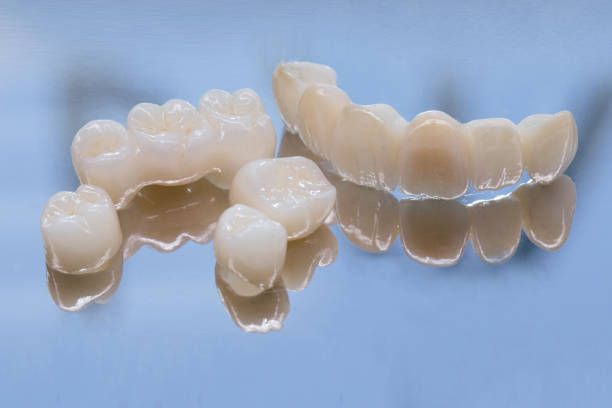
Dental crowns are designed to cover and protect teeth that have been weakened by fractures, severe decay, large fillings, or structural damage. What separates porcelain crowns from some other restoration materials is their ability to closely imitate the appearance of natural enamel.
Porcelain reflects light in a way that resembles healthy teeth, allowing restorations to blend naturally with surrounding teeth rather than appearing noticeably artificial. Unlike certain older restoration materials, porcelain creates a more lifelike appearance that patients often prefer when aesthetics are a top priority.
Why Is Natural Appearance So Important in Restorative Dentistry?
For many patients, restoring a damaged tooth is not only about improving function. Visible dental work can sometimes affect confidence when smiling, speaking, or interacting socially. Even highly durable restorations may feel less appealing if they stand out noticeably against surrounding teeth.
Patients choosing porcelain crowns in Highland often prioritize cosmetic results because porcelain allows dental professionals to carefully match the shade, translucency, and contour of nearby teeth. This creates a restoration that feels balanced and highly natural in everyday situations.
Are Porcelain Crowns Durable Enough for Long-Term Use?
A common concern people have is whether highly aesthetic restorations sacrifice strength. Modern porcelain materials have improved significantly over the years. Today’s advanced ceramic technology allows crowns to withstand everyday biting and chewing forces while maintaining excellent appearance over time.
When properly designed and professionally placed, porcelain crowns can remain functional for many years with proper oral hygiene and regular preventive dental care. Durability depends heavily on proper fit, bite alignment, and long-term maintenance habits.
Why Do Patients Often Prefer Porcelain Over Metal-Based Crowns?
Traditional metal-based restorations may provide strength, but some patients dislike the visible dark appearance sometimes seen near the gumline over time. Porcelain eliminates that concern. Its tooth-like appearance creates a restoration that blends naturally into the smile without obvious visual differences between the restored tooth and surrounding enamel.
This becomes especially important for highly visible teeth, where cosmetic appearance directly affects confidence. For many patients, the balance between strength and aesthetics makes porcelain a preferred restorative option.
Who Is a Good Candidate for Porcelain Crowns?
Porcelain crowns are commonly recommended for patients with cracked teeth, worn enamel, cosmetic damage, weakened tooth structure, or large restorations requiring additional protection. A professional evaluation helps determine whether porcelain provides the right long-term option based on both function and aesthetic goals.
Conclusion: Why Do So Many Patients Choose Porcelain Crowns?
Restorative dentistry works ideal when patients do not have to choose between appearance and durability. For those seeking natural-looking restorations, porcelain continues to provide one of the most reliable cosmetic solutions available today. Whether restoring damaged teeth independently or combining treatment with options like dental implants in Dyer, choosing restorations that preserve both confidence and function often creates stronger long-term oral health outcomes.